When Should You Remove a Tree? Warning Signs for Sterling Heights HomeownersFebruary 23, 2026 |
|
Trees are one of the most valuable features of any residential or commercial property in Sterling Heights, Michigan. They provide shade, increase curb appeal, improve air quality, and boost property value. However, there are times when tree removal becomes necessary for safety, structural protection, and long-term landscape health. 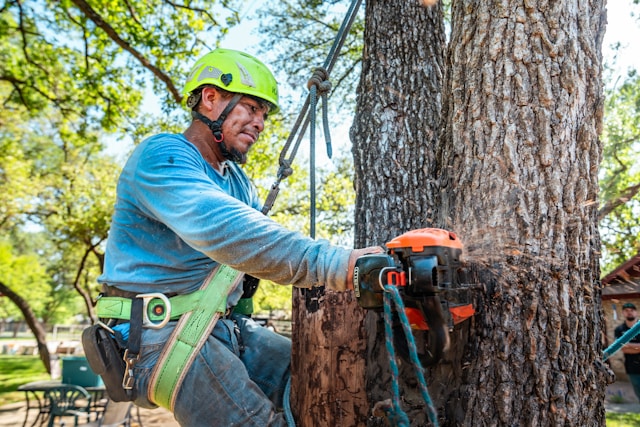 Because tree removal is considered one of the most dangerous professions in the world, homeowners must approach the decision carefully. Attempting DIY removal or hiring extremely cheap services can result in serious injury, property damage, or incomplete work. Knowing when a tree poses a risk is the first step toward protecting your home and family. This guide outlines the most important warning signs that indicate it may be time to remove a tree on your Sterling Heights property. Why Tree Health Matters in Sterling HeightsSterling Heights experiences all four seasons, including:
These seasonal shifts place stress on trees. Weak limbs, compromised root systems, and diseased trunks can quickly turn into hazards during Michigan storms. Identifying structural issues early can prevent costly emergency tree removal later. 1. The Tree Is Leaning SuddenlyNot all leaning trees are dangerous. Some grow at slight angles naturally. However, a sudden lean is a serious red flag. Warning Signs of Structural Instability:
A sudden lean often indicates root failure. In Sterling Heights neighborhoods with closely spaced homes, a falling tree can damage roofs, vehicles, fences, or neighboring properties. If you notice a new lean after heavy rain or wind, immediate professional evaluation is critical. 2. Large Dead Branches (Widowmakers)Dead limbs high in the canopy are often called “widowmakers” because they can fall without warning. Signs of Dangerous Deadwood:
While trimming may resolve minor deadwood issues, extensive dieback could signal deeper health problems requiring removal. 3. Trunk Damage or Deep CracksThe trunk is the structural backbone of the tree. If it becomes compromised, the entire tree becomes unstable. Serious Trunk Concerns:
In Michigan’s freeze-thaw cycles, cracks can expand rapidly. Water seeps into openings, freezes, and widens structural weaknesses. If more than 30–40% of the trunk is damaged, removal is often safer than attempting preservation. 4. Root System DamageRoots anchor the tree and provide essential nutrients. Damage below ground is often harder to detect but just as dangerous. Causes of Root Damage:
Warning signs include:
Sterling Heights properties undergoing home additions or driveway expansions frequently experience root disturbances that weaken mature trees. 5. Severe Storm DamageMichigan storms can be unpredictable, bringing high winds, ice accumulation, and heavy snow. After severe weather, inspect for:
If over 50% of the canopy is damaged, removal may be the most practical solution. Emergency tree removal is especially important if:
Never attempt to remove storm-damaged trees yourself. 6. Signs of Disease or DecayTree diseases spread quickly and can compromise structural integrity. Common Indicators:
Certain fungal infections cause internal rot that is not visible from the outside. By the time mushrooms appear near the roots, significant decay may already exist. In many cases, tree trimming can remove infected limbs. However, advanced decay often makes removal the safest choice. 7. The Tree Is Too Close to StructuresEven healthy trees can pose risks when planted too close to:
Roots may crack foundations or clog underground pipes. Overhanging branches can scrape roofing materials during high winds. If pruning no longer provides safe clearance, removal may prevent expensive structural repairs. 8. Pest InfestationInsects such as borers and beetles can hollow out trees from the inside. Signs of Pest Damage:
If infestation spreads throughout the trunk, structural strength diminishes significantly. 9. The Tree Is DeadA dead tree is one of the clearest cases for removal. How to Identify a Dead Tree:
Dead trees become extremely hazardous in winter when snow and ice add weight to already weak limbs. 10. Obstruction or Landscape RenovationSometimes removal is necessary for:
While removing healthy trees should be a last resort, strategic removal can improve overall landscape design and property functionality. Tree Removal Warning Signs SummaryBelow is a quick-reference guide for Sterling Heights homeowners:
Why Tree Removal Is So DangerousTree removal involves:
Professional companies use:
Homeowners should be cautious of extremely cheap offers. Smaller operators without proper equipment may rely solely on basic chainsaws, increasing the risk of:
In Sterling Heights neighborhoods with tight property lines, precision and expertise are critical. The Importance of Stump Grinding After RemovalAfter tree removal, leaving the stump behind can cause:
Stump grinding eliminates these issues and restores usable yard space. Preventative Tree Care TipsWhile some removals are unavoidable, proactive maintenance can extend tree life. Best Practices:
Regular professional inspections can identify early warning signs before they escalate. When to Call a Professional in Sterling HeightsContact a tree removal expert immediately if:
Delaying action increases risk and potential costs. Final ThoughtsTrees add beauty and value to Sterling Heights properties, but they must also be safe and structurally sound. Warning signs such as leaning trunks, deep cracks, root damage, disease, and storm destruction should never be ignored. Tree removal is not a DIY project. It requires specialized equipment, training, and safety protocols to prevent injury and property damage. When in doubt, prioritize professionalism and safety over low-cost shortcuts. By recognizing the early signs of structural failure and acting quickly, Sterling Heights homeowners can protect their homes, families, and investments while maintaining a healthy and attractive landscape. |