Complete Guide to Tree Removal in Sterling Heights, MI: Costs, Permits, Safety, and Best PracticesJuly 6, 2026 |
|
Trees are a valuable part of any landscape, providing shade, beauty, and environmental benefits. However, there are situations when tree removal becomes necessary to protect people, property, and surrounding vegetation. Whether you’re dealing with a dead tree, storm damage, disease, or a tree growing dangerously close to power lines, understanding the tree removal process can help you make informed decisions. 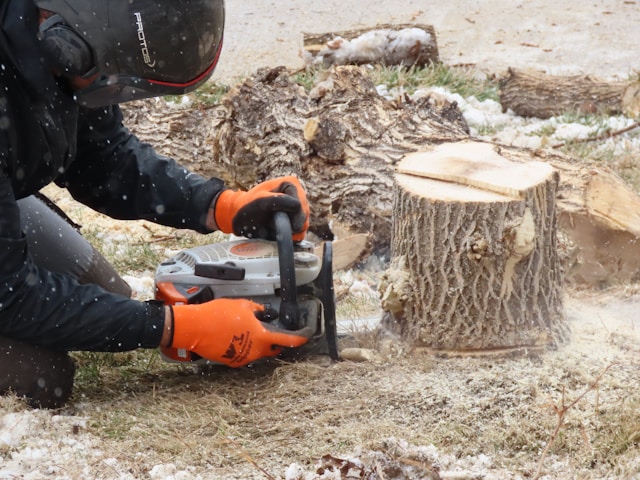 This complete guide to tree removal in Sterling Heights, MI covers everything property owners need to know about costs, permits, safety considerations, and industry best practices. By working with qualified professionals and understanding local regulations, homeowners and business owners can ensure that tree removal projects are completed safely and efficiently. Understanding Tree Removal in Sterling HeightsTree removal is the process of safely cutting down and removing a tree from a property. While many trees can be preserved through trimming, pruning, or treatment, some situations require complete removal to eliminate hazards or prevent further damage. Professional tree removal services use specialized equipment, safety procedures, and industry-approved techniques to remove trees while minimizing risks to nearby structures, utilities, and landscaping. In Sterling Heights, tree removal projects may involve residential properties, commercial sites, public spaces, and emergency situations following severe weather events. Why Tree Removal Becomes NecessaryThere are several reasons property owners may need tree removal services. Dead or Dying TreesDead trees pose significant safety risks because weakened branches and trunks can fall unexpectedly. A dead tree may appear stable, but internal decay often compromises its structural integrity. Removing dead trees promptly helps prevent injuries, vehicle damage, and costly property repairs. Disease and Pest InfestationsDiseased trees can spread infections to healthy trees and surrounding vegetation. Common issues include fungal infections, root rot, cankers, and insect infestations. Certified arborists can assess whether treatment is possible. When a tree cannot recover, removal becomes the safest option. Storm-Damaged TreesMichigan weather frequently brings high winds, ice storms, and heavy snowfall. These conditions can cause extensive tree damage, including:
Storm-damaged trees often require immediate evaluation and emergency tree removal services to eliminate hazards. Structural InstabilityTrees that develop severe lean, hollow trunks, or weakened root systems may become unstable over time. Structural instability increases the likelihood of sudden failure during storms or high winds. Root Damage Affecting FoundationsLarge root systems can interfere with:
When root damage threatens infrastructure, tree removal may be necessary to prevent costly repairs. Trees Growing Near Power LinesTrees growing too close to electrical infrastructure create serious safety hazards. Utility line clearance is often required to maintain safe distances and prevent service disruptions. Professional tree removal contractors have the training and equipment necessary to work around utility lines safely. The Importance of Professional Tree Removal ServicesAttempting tree removal without proper training can be dangerous. Large trees may weigh several tons, and even small mistakes can lead to severe injuries or property damage. Professional tree removal services provide several important benefits. Improved Property SafetyRemoving hazardous trees reduces risks to:
Professional crews use controlled cutting techniques that minimize the chance of accidents. Reduced Liability RisksProperty owners can be held responsible if a neglected hazardous tree causes injury or damage. Removing dangerous trees proactively helps reduce legal and financial liabilities. Enhanced Curb AppealRemoving dead, diseased, or unsightly trees improves the overall appearance of a property. Many homeowners choose tree removal to enhance landscaping, increase sunlight exposure, and improve property value. Prevention of Property DamageA weakened tree can fall onto:
Professional removal prevents these costly incidents before they occur. Faster Emergency ResponseEmergency tree removal services provide rapid assistance following storms and unexpected tree failures. Quick response helps restore safety and prevent additional damage. Residential Tree RemovalResidential tree removal is one of the most common services requested in Sterling Heights. Homeowners often require tree removal for:
Professional contractors evaluate site conditions and determine the safest removal strategy while protecting nearby structures and landscaping. Commercial Tree RemovalCommercial tree removal projects often involve larger properties and more complex logistics. Businesses may require tree removal for:
Commercial projects frequently require additional planning to minimize disruptions and maintain public safety. The Role of Certified ArboristsCertified arborists play a critical role in responsible tree management. A certified arborist possesses specialized knowledge in:
Before recommending removal, certified arborists often perform a tree risk assessment to determine whether a tree can be saved through treatment or pruning. Working with ISA-certified arborists ensures decisions are based on professional expertise rather than guesswork. Understanding Tree Risk AssessmentsA tree risk assessment evaluates the likelihood of tree failure and its potential consequences. During the assessment, professionals examine:
The results help property owners determine whether removal, treatment, or monitoring is the best course of action. Tree Removal Permits in Sterling HeightsBefore beginning a tree removal project, property owners should determine whether permits are required. Tree removal permits may be necessary depending on:
Local requirements can vary, making it essential to consult the Sterling Heights City Government before scheduling removal work. Failure to obtain required permits may result in fines or project delays. Professional tree removal contractors often assist property owners with permit research and application procedures. Common Challenges in Tree RemovalEvery tree removal project presents unique challenges. Limited Access AreasTrees located behind homes, within fenced yards, or surrounded by structures may require specialized equipment and techniques. Contractors often use rigging systems to lower branches safely in confined spaces. Large 100-Foot Tree RemovalsRemoving extremely tall trees requires advanced planning and expertise. Large tree removals may involve:
These projects require careful coordination to ensure safety. Utility Line InterferenceTrees growing near electrical lines increase the complexity of removal operations. Licensed tree contractors follow strict safety protocols and coordinate with utility companies when necessary. Emergency Storm SituationsStorm-damaged trees often create unstable conditions. Emergency tree removal requires rapid response and specialized equipment to safely manage hanging limbs, split trunks, and uprooted trees. Crane-Assisted Tree RemovalSome tree removals require cranes to safely dismantle large or hazardous trees. Crane-assisted tree removal offers several advantages:
Large trees near homes or commercial buildings are often removed section by section using cranes. What Influences Tree Removal Costs?Tree removal costs vary depending on several factors. Tree SizeLarger trees require more labor, equipment, and disposal resources. Tree ConditionDead or structurally unstable trees may require additional safety precautions. AccessibilityTrees located in hard-to-reach areas often increase labor requirements. Equipment RequirementsProjects involving cranes, bucket trucks, or specialized machinery typically cost more. Debris RemovalTree removal costs may include:
Always verify whether debris removal is included in the estimate. Emergency ServicesEmergency tree removal generally costs more due to immediate response requirements and elevated risks. Best Practices for Tree Removal in Sterling HeightsFollowing industry best practices helps ensure safe and successful tree removal projects. Hire Licensed and Insured ContractorsAlways verify that contractors carry:
Insurance protects both property owners and workers. Request Tree Risk AssessmentsA professional assessment helps determine whether removal is truly necessary. In some cases, trimming or treatment may provide a safer and more cost-effective solution. Obtain Necessary PermitsBefore work begins, confirm all permit requirements with local authorities. Compliance helps avoid legal complications and project delays. Verify Safety ProtocolsProfessional tree removal companies should follow established safety standards and provide documented procedures when requested. Ensure Debris Removal Is IncludedAsk whether cleanup, stump grinding, and debris disposal are part of the service agreement. Complete cleanup leaves the property safe and visually appealing. Choosing the Right Tree Removal ContractorSelecting the right contractor is one of the most important decisions in the tree removal process. Look for companies that offer:
Request multiple estimates and compare services rather than focusing solely on price. The lowest bid may not always provide the highest level of safety or quality. ConclusionTree removal is sometimes necessary to maintain safe, attractive, and functional properties throughout Sterling Heights, Michigan. Whether dealing with hazardous trees, storm damage, disease, or utility line conflicts, professional tree removal services provide the expertise needed to manage these challenges safely. By working with certified arborists, obtaining appropriate permits, conducting tree risk assessments, and following industry best practices, property owners can protect their investments while reducing safety risks. From residential tree removal to complex commercial projects and emergency storm response, choosing qualified licensed tree contractors ensures that every tree removal project is completed efficiently and responsibly. For additional guidance, property owners can consult resources from the International Society of Arboriculture (ISA), Tree Care Industry Association (TCIA), Michigan Department of Natural Resources, and the Sterling Heights City Government to stay informed about tree care regulations and professional standards. |