Stump Grinding vs. Stump Removal: What Sterling Heights Property Owners Need to KnowJune 22, 2026 |
|
When a tree is removed from a property, many homeowners believe the job is complete. However, the remaining stump can create several challenges that affect safety, landscaping, and property appearance. Whether you’re planning a lawn renovation, preparing for new construction, or simply improving your yard’s aesthetics, deciding what to do with an old tree stump is an important part of the tree removal process. 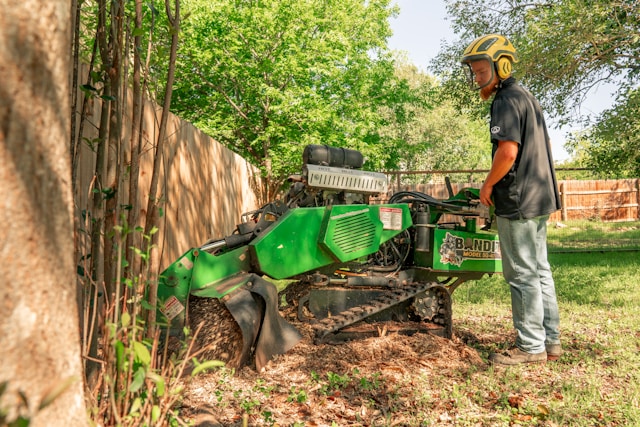 Property owners in Sterling Heights often face a common question: Should they choose stump grinding or full stump removal? While both methods eliminate unwanted tree stumps, they differ significantly in terms of cost, time, environmental impact, and long-term landscaping goals. This guide explores the differences between stump grinding and stump removal, the benefits and limitations of each option, and what Sterling Heights property owners should consider before making a decision. Why Tree Stumps Should Be RemovedLeaving a tree stump behind may seem harmless at first, but over time it can create a variety of problems. Tree stumps often become obstacles that interfere with lawn maintenance, landscaping projects, and overall property usability. Removing a stump improves both the functionality and appearance of a property while reducing potential safety and pest concerns. Prevent Trip HazardsOne of the most common reasons homeowners choose stump removal services is to eliminate trip hazards. Tree stumps can pose risks to:
Hidden roots and partially buried stumps can become even more dangerous as grass and vegetation grow around them. Improve Landscape AppearanceA leftover stump can detract from an otherwise attractive landscape. Even a well-maintained lawn may appear unfinished when an old stump remains in the center of the yard. Removing the stump creates a cleaner, more polished appearance that enhances curb appeal and property value. Eliminate Pest HabitatsDecaying tree stumps often attract insects and other pests. Common pests associated with old stumps include:
Removing stumps reduces the likelihood of infestations spreading to nearby trees, landscaping features, or structures. Increase Usable Yard SpaceTree stumps take up valuable space that could otherwise be used for:
Removing the stump allows property owners to fully utilize their outdoor space. Prepare for New Landscaping ProjectsMany landscape restoration projects require a clear and level surface. Whether installing new sod, planting trees, building outdoor structures, or redesigning garden beds, removing old stumps creates a clean foundation for future improvements. Understanding Stump GrindingStump grinding is one of the most popular methods for eliminating tree stumps. Rather than extracting the entire stump and root system, stump grinding uses specialized stump grinding equipment to grind the visible stump into small wood chips. The grinding process typically removes the stump several inches below ground level, allowing the area to be covered with soil and grass. How Stump Grinding WorksProfessional stump grinding equipment uses a rotating cutting wheel equipped with sharp teeth that gradually chips away the stump. The process generally involves:
Depending on the size of the stump, grinding can often be completed in just a few hours. Benefits of Stump GrindingMany Sterling Heights homeowners prefer stump grinding because it offers several practical advantages. Faster CompletionCompared to full stump removal, grinding is typically much quicker. Large stumps that might require extensive excavation can often be ground down in a single visit. This efficiency makes stump grinding ideal for homeowners seeking immediate results. Lower CostStump grinding generally costs less than complete stump removal because it requires:
For many residential properties, stump grinding provides a cost-effective solution. Minimal Property DisruptionOne of the biggest advantages of stump grinding is its minimal impact on surrounding landscaping. The process avoids large-scale excavation, helping preserve:
Property owners can maintain the integrity of their outdoor spaces while eliminating unwanted stumps. Environmentally FriendlyThe wood chips produced during grinding can often be reused as mulch or organic material. This recycling process helps reduce waste while providing nutrients that support healthy soil conditions. Allows Immediate LandscapingAfter grinding, the area can typically be covered with soil and prepared for:
Many homeowners begin landscape restoration projects shortly after the grinding process is completed. Understanding Full Stump RemovalUnlike grinding, full stump removal involves extracting both the stump and its major root systems from the ground. This process requires excavation equipment and often creates a larger disturbance to the surrounding area. While more extensive, full stump removal completely eliminates the tree’s underground structure. How Stump Removal WorksProfessional stump removal services typically follow several steps:
The size and complexity of the root system often determine the difficulty of the project. Benefits of Full Stump RemovalAlthough more labor-intensive, full stump removal offers unique advantages that may be necessary in certain situations. Complete Root ExtractionThe most significant benefit of stump removal is the elimination of major root systems. This prevents future issues related to:
For some properties, complete root removal is the preferred long-term solution. Ideal for Construction ProjectsWhen preparing a site for construction, leaving roots underground may not be practical. Full stump removal is often recommended for:
Complete excavation ensures the area is free from underground obstacles. Prevents Root RegrowthCertain tree species may attempt to regenerate from remaining roots. Full removal minimizes the possibility of new shoots emerging after the original tree has been removed. Key Differences Between Stump Grinding and Stump RemovalUnderstanding the differences between these two approaches helps property owners select the most appropriate solution. Cost ComparisonStump grinding generally offers a more affordable option due to reduced labor and equipment requirements. Full stump removal often costs more because of:
Project DurationGrinding is usually completed much faster than full removal. A single stump can often be ground within a few hours, while complete removal may require significantly more time depending on root complexity. Landscape ImpactGrinding causes less disruption to lawns and landscaping. Removal creates a larger excavation area that may require:
Root System ManagementGrinding leaves most root systems underground, while removal extracts major roots entirely. Future landscaping plans often determine which option is most appropriate. Potential Problems with Leaving Tree StumpsSome property owners postpone stump removal after tree removal services are completed. However, leaving a stump behind can create several long-term challenges. Termite ActivityDecaying wood attracts termites seeking food and shelter. Once termites establish themselves within a stump, they may eventually migrate to nearby structures. Ant InfestationsCarpenter ants and other wood-destroying insects commonly inhabit aging stumps. Infestations can spread to healthy trees and landscape features over time. Fungal GrowthOld stumps often become breeding grounds for fungi and decay organisms. Certain fungal species can spread to nearby vegetation and contribute to plant health problems. Lawn Maintenance DifficultiesTree stumps create obstacles during mowing and landscaping activities. Property owners frequently encounter challenges such as:
Removing the stump simplifies ongoing lawn care. Reduced Curb AppealA visible stump may make a property appear neglected or unfinished. For homeowners considering future resale, eliminating stumps can contribute to a more attractive and marketable landscape. Factors to Consider Before Choosing a SolutionEvery property has unique needs, making it important to evaluate several factors before selecting stump grinding or stump removal. Future Landscaping GoalsOne of the most important considerations is how the space will be used in the future. If the area will be:
Stump grinding may be sufficient. If major construction is planned, full removal may be necessary. Root System SizeLarge trees often develop extensive root systems that may affect future projects. Professional assessments help determine whether root removal is advisable. Budget ConsiderationsCost remains a significant factor for many property owners. Grinding typically provides a more economical solution, while removal may require additional investment due to excavation and restoration work. Best Practices for Stump ManagementProperty owners can maximize project success by following several best practices. Evaluate Future Landscaping PlansConsider how the area will be used over the next several years before selecting a stump treatment method. Consider Root System SizeLarge root systems may influence drainage, construction plans, and future planting opportunities. Use Professional-Grade EquipmentProfessional stump grinding equipment delivers safer and more efficient results than rental equipment. Experienced operators also minimize the risk of property damage. Replant Strategically After GrindingOnce grinding is complete, homeowners may choose to replant trees, shrubs, or turfgrass. Proper soil preparation helps ensure successful establishment of new plantings. Why Professional Stump Grinding Services MatterWhile some property owners consider DIY stump removal, professional services offer several advantages. Experienced professionals provide:
Professional contractors can also recommend the most appropriate solution based on landscape goals and site conditions. ConclusionUnderstanding the differences between stump grinding and stump removal is essential for Sterling Heights property owners seeking to improve safety, aesthetics, and property functionality. While stump grinding offers a fast, cost-effective, and minimally disruptive solution, full stump removal provides complete root extraction and may be better suited for construction or major landscape renovation projects. The best choice depends on factors such as future landscaping plans, root system size, budget, and long-term property goals. By consulting experienced stump removal services and using professional-grade equipment, homeowners can make informed decisions that support successful landscape restoration, lawn renovation, and property improvement efforts. Whether preparing for tree replanting, improving curb appeal, or eliminating pest concerns, addressing tree stumps promptly helps maintain a safer, healthier, and more attractive outdoor environment for years to come. |