Tree Trimming Services in Sterling Heights: When to Prune for Health, Safety, and Curb AppealApril 16, 2026 |
|
Tree trimming is one of the most essential yet often overlooked aspects of property maintenance in Sterling Heights, Michigan. Whether you’re a homeowner looking to improve your yard’s appearance or a property manager focused on safety and long-term value, proper tree care plays a critical role. With the region’s changing seasons, storm activity, and diverse tree species, knowing when and how to trim trees can make a significant difference in both tree health and property protection. 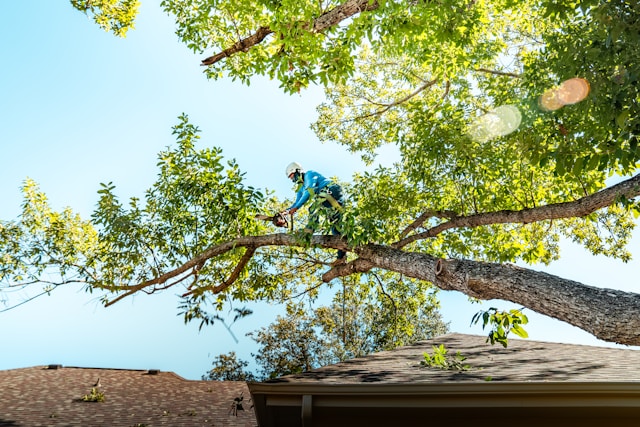 This guide explores the key principles of tree trimming, including timing, techniques, benefits, and what to expect from professional services in the Sterling Heights area. Understanding Tree Trimming: Definition and PurposeTree trimming, also known as pruning, involves the selective removal of branches to improve a tree’s structure, health, and appearance. Unlike tree removal, which eliminates the entire tree, trimming focuses on maintaining and enhancing what’s already there. Core Objectives of Tree Trimming:
In Sterling Heights, where weather conditions can be unpredictable, trimming is not just about appearance—it’s also a preventative safety measure. Why Tree Trimming Matters in Sterling Heights1. Climate ImpactMichigan experiences cold winters, humid summers, and frequent storms, all of which affect tree health. Snow and ice accumulation can weaken branches, while summer storms can cause sudden breakage. 2. Property ProtectionOvergrown or unstable trees can:
3. Tree LongevityRoutine trimming helps trees live longer and grow stronger, reducing the likelihood of disease and decay. When to Trim Trees: Seasonal GuideTiming is everything when it comes to tree trimming. Different seasons offer unique advantages depending on your goals. 🌱 Winter (Dormant Season)
🌸 Spring
☀️ Summer
🍂 Fall
Tree Trimming Schedule Overview
Key Tree Trimming Techniques1. Crown Thinning
2. Crown Raising
3. Crown Reduction
4. Deadwood Removal
Each technique serves a specific purpose and should be applied carefully to avoid damaging the tree. Signs Your Trees Need TrimmingNot sure if it’s time to trim your trees? Look for these indicators:
Ignoring these signs can lead to more expensive problems, including full tree removal. Safety ConsiderationsTree trimming can be dangerous, especially with large or tall trees (some reaching 100 feet or more in Sterling Heights). Risks include:
This is why many property owners choose licensed and insured professionals who are trained to handle complex jobs safely. Residential vs Commercial Tree TrimmingResidential Services
Commercial Services
Both require expertise, but commercial projects often involve more advanced planning and equipment. Benefits of Professional Tree TrimmingHiring a professional tree service in Sterling Heights offers several advantages: 1. ExpertiseTrained arborists understand:
2. EquipmentProfessionals use specialized tools such as:
3. EfficiencyJobs are completed faster and more safely than DIY attempts. 4. CleanupMost services include debris removal, leaving your property clean and tidy. Tree Trimming and Curb AppealWell-maintained trees significantly enhance the appearance of your property. Benefits include:
In competitive real estate markets like metro Detroit, curb appeal can directly impact home value. Cost Factors for Tree Trimming in Sterling HeightsTree trimming costs vary based on several factors:
While pricing can differ, many local companies offer free, no-obligation quotes, making it easier to plan your budget. Emergency Tree Trimming ServicesStorms in Michigan can cause sudden damage, requiring immediate attention. Emergency services typically address:
Quick response is critical to prevent further damage and ensure safety. Best Practices for Tree MaintenanceTo keep your trees healthy year-round:
Consistency is key to long-term tree health and property safety. Choosing the Right Tree Trimming ServiceWhen selecting a company in Sterling Heights, consider:
A reliable company should be able to handle everything from routine trimming to emergency removals. Final ThoughtsTree trimming is more than just yard maintenance—it’s an investment in your property’s safety, beauty, and long-term value. In Sterling Heights, where weather conditions and tree growth patterns can vary significantly, understanding when and how to prune is essential. Whether you’re managing a residential yard or a commercial property, regular trimming helps prevent costly damage, enhances curb appeal, and ensures your trees remain healthy for years to come. By working with experienced professionals and following seasonal best practices, you can enjoy a safer, more attractive outdoor space year-round. |