Why Structural Pruning Matters: Protecting Your Trees and Property in Sterling HeightsJanuary 4, 2026 |
|
Although many homeowners in Sterling Heights may overlook it, structural pruning plays a critical role in maintaining both the health of your trees and the safety of your property. When you focus on improving tree architecture through thoughtful pruning, you direct growth to form a strong, balanced framework. 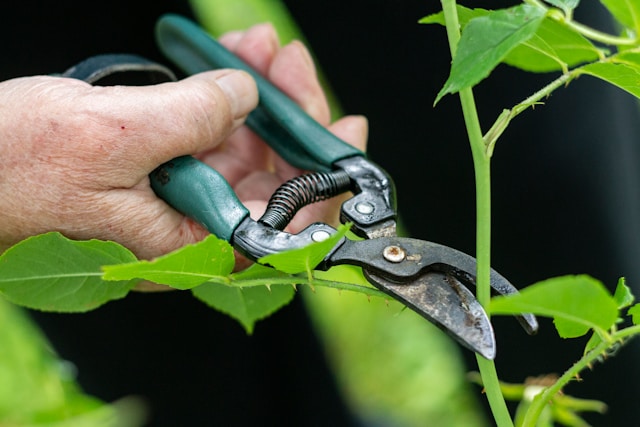 This reduces the risk of weak limb unions that could fail during storms. Effective structural pruning isn’t just about aesthetics—it’s a proactive approach to storm damage prevention, commonly addressed through professional tree trimming services in Sterling Heights. You help your trees better withstand wind and ice by removing hazardous branches before they become dangerous. What Is Structural Pruning?When you carry out structural pruning, you carefully remove specific branches to shape a tree’s framework for strength and stability. This process often begins with young tree pruning to prevent future problems, focusing on eliminating co-dominant stems that compete and cause included bark, a weak connection prone to splitting. By addressing these issues early, you guide healthy growth patterns that withstand Sterling Heights’ windstorms and ice, as outlined in tree pruning best practices. Key aspects of structural pruning include:
Common Tree HazardsSince Sterling Heights experiences frequent windstorms and ice accumulation, you need to be aware of common tree hazards that can threaten both your property and the health of your trees. Dead or decaying limbs, weak branch unions, and cracks in the trunk increase the risk of failures during storms, raising tree liability Michigan concerns. Performing a thorough tree risk assessment can identify these vulnerabilities early. You should watch for signs like cracked bark, fungal growth, or leaning trees, which may signal instability. Ignoring these hazards increases the chance you’ll need emergency tree removal, posing safety risks and unexpected expenses. Taking action promptly safeguards your property and community while promoting tree longevity—critical when you’re committed to serving neighbors and protecting Sterling Heights’ green spaces. Benefits for Property OwnersAddressing tree hazards through regular pruning and risk assessments brings significant advantages for property owners in Sterling Heights. When you work with a certified arborist Sterling Heights trusts, you guarantee pruning adheres to ANSI A300 standards, promoting tree health and structural integrity. You’ll enhance your property’s safety, aesthetics, and overall value by preventing limb failures and encouraging strong growth patterns—benefits often highlighted in comprehensive tree care services.
Regular, expert pruning is a smart, proactive choice to protect your investment. Best Time to PruneChoosing the best time to prune your trees in Sterling Heights is critical for maximizing their health and resilience. For oak tree pruning, late winter to early spring is perfect, before new growth begins, reducing the risk of disease transmission. When addressing maple tree weaknesses, prune during dormant seasons to help prevent sap bleeding and stress—guidance also discussed in common tree trimming mistakes. Ash tree maintenance benefits most from late winter pruning as well, allowing you to remove weak branches preemptively, especially important given ash trees’ vulnerability to storm damage. Tree Types in Sterling HeightsUnderstanding the specific types of trees common to Sterling Heights helps you tailor your pruning and care practices effectively. You’ll find that maples, oaks, and ashes dominate the local landscape, each demanding unique structural pruning approaches to enhance longevity and safety. Local species are also susceptible to issues discussed in common tree diseases in Sterling Heights, making proactive pruning even more important.
Hire a Certified ArboristWhen you want to guarantee your trees receive the best care, hiring a certified arborist is essential. An ISA certified arborist understands tree biology, structural pruning techniques, and local Sterling Heights tree regulations, ensuring every cut supports long-term health and safety. They can expertly perform mature tree correction and advise when professional tree services are required. By entrusting your trees to a professional, you reduce risks to your property and comply with municipal codes. Their expertise gives you confidence that maintenance meets industry standards and promotes a thriving urban forest in Sterling Heights. |